

What to Expect from a Professional Pond Care Service
Ponds, whether ornamental or functional, serve as important aquatic ecosystems that contribute to the health and appearance of outdoor environments. Maintaining these systems requires consistent care focused on water balance, vegetation control, and long-term ecological stability. Professional pond care services and pond management approaches support these goals by managing aquatic conditions, improving system performance, and helping preserve overall water quality. This article outlines what property owners can expect from comprehensive pond and lake management services.
Efficient Pond Assessments
Evaluate Pond Health
A thorough pond health evaluation is often the first step in understanding overall system conditions. Professionals observe water clarity, algae presence, plant growth, and signs of ecological imbalance. Indicators such as reduced oxygen levels, excessive vegetation, or stressed aquatic life help identify underlying issues. These evaluations provide a foundation for developing targeted pond management strategies that support long-term pond stability and ecosystem health.
Monitor Water Quality
Overall, water quality assessment plays a key role in identifying conditions that affect pond and lake ecosystems. Professionals evaluate factors that influence clarity, nutrient levels, and overall biological balance. Ongoing monitoring helps detect early signs of algae development or declining water conditions. According to Verified Market Reports, EPA data shows over 40% of U.S. lakes are impaired by pollution, emphasizing the need for specialized management services. This information guides treatment strategies designed to maintain stable and healthy aquatic environments and supports effective pond management practices.
Analyze Structural Integrity
Assessing the physical condition of a pond system is essential for maintaining long-term performance. Professionals inspect shorelines, embankments, liners, and constructed features for signs of erosion, leakage, or instability. Addressing structural concerns early helps prevent water loss and supports the overall functionality of the system. Regular evaluations contribute to long-term dependability and help strengthen pond management outcomes across the site.
Review Flora and Fauna
A balanced pond ecosystem depends on the relationship between plant life and aquatic species. Professionals review vegetation coverage, invasive plant presence, and the condition of aquatic habitats. Fish and other wildlife are also evaluated to ensure the ecosystem remains stable and supported. These assessments help maintain biodiversity and contribute to effective pond management strategies that promote a healthy aquatic environment.
Develop Customized Care Plans
Following a full assessment, a tailored management plan is developed to address site-specific conditions. These plans may include algae control strategies, vegetation management, aeration improvements, and shoreline enhancements. Each plan is designed to support long-term ecosystem balance while addressing current environmental concerns. This structured approach ensures that pond management efforts align with the unique needs of each pond or lake system.
Thorough Pond Maintenance
Remove Debris Effectively
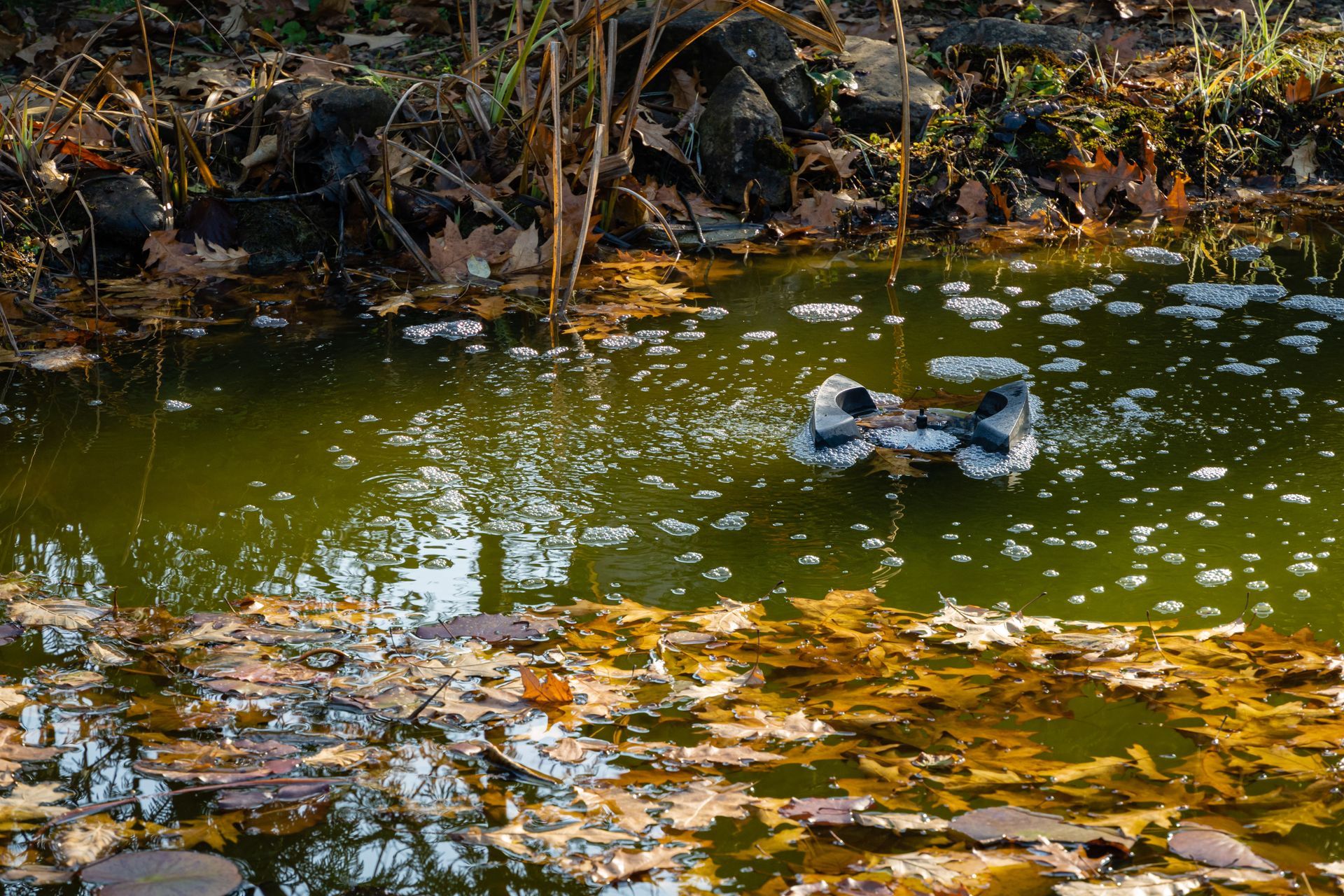
Routine debris removal is essential for maintaining water quality and system performance. Organic materials such as leaves, sediment buildup, and decaying vegetation can impact oxygen levels and contribute to algae growth. Professionals remove accumulated debris using methods that protect surrounding habitats and minimize ecosystem disruption. This process helps maintain clearer water and healthier aquatic conditions over time.
Control Algae Growth
Algae management is a core component of pond maintenance. Professionals use a combination of biological and targeted treatment strategies to reduce excessive algae growth. These methods help restore balance without disrupting aquatic ecosystems. Proper algae control supports clearer water conditions, improves overall pond appearance, and strengthens pond management outcomes across seasonal changes.
Maintain Aeration and Circulation Systems
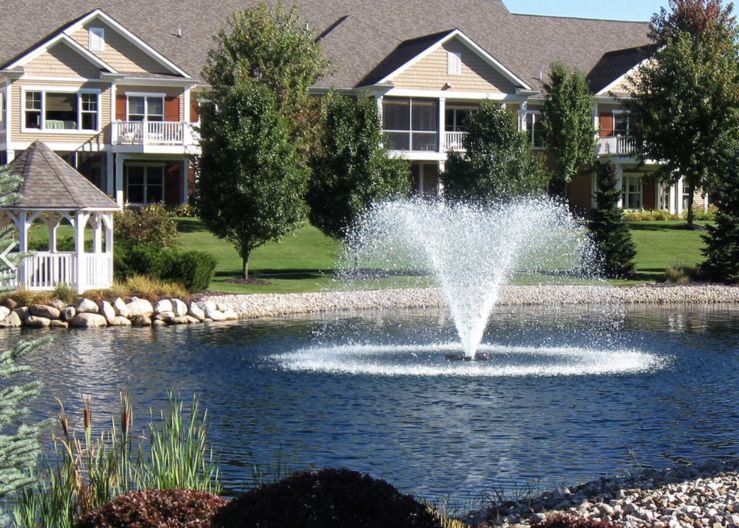
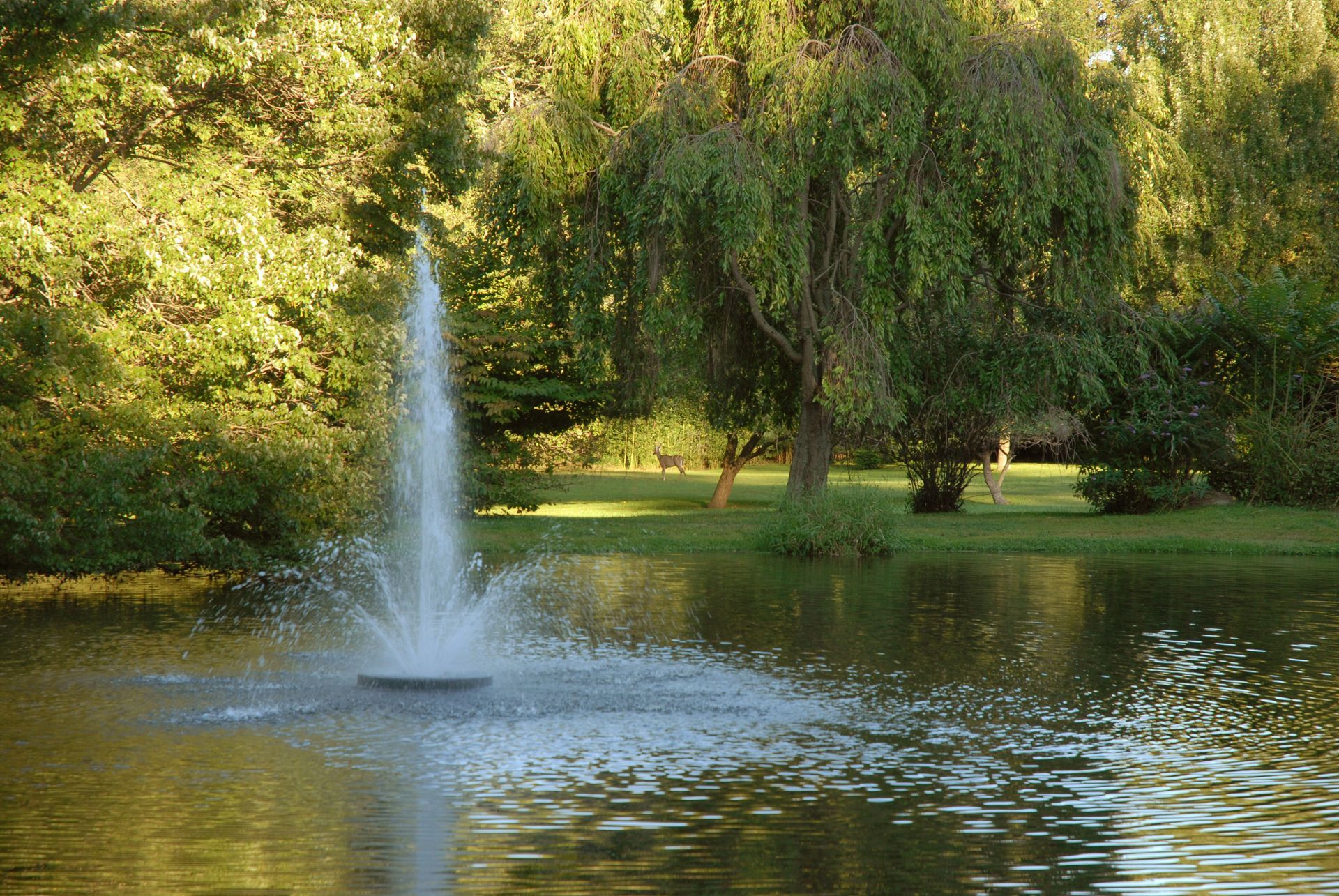
Aeration and circulation systems are essential for maintaining oxygen levels and promoting healthy water movement. Professionals inspect and maintain aeration equipment and fountain systems to ensure consistent performance. Proper circulation reduces stagnation, supports aquatic life, and improves overall water quality. Regular maintenance helps ensure these systems operate in a dependable manner and contributes to long-term pond management success.
Balance Nutrients and Water Quality
Nutrient management focuses on reducing excess elements that contribute to algae growth and water imbalance. Professionals implement strategies that help stabilize pond conditions and support long-term ecosystem health. These approaches encourage clearer water and more sustainable aquatic environments by addressing the underlying causes of imbalance rather than short-term symptoms. Effective nutrient control is a key component of responsible pond management practices.
Reliable Equipment Management
Inspect Aeration and Fountain Systems
Regular inspection of aeration and fountain systems ensures consistent performance and dependable operation. Professionals evaluate equipment for wear, reduced output, or mechanical issues that may affect water circulation and oxygen distribution. These inspections help maintain stable aquatic conditions and support long-term system functionality. Proper oversight is essential for effective pond management and equipment performance.
Install Aeration and Fountain Systems
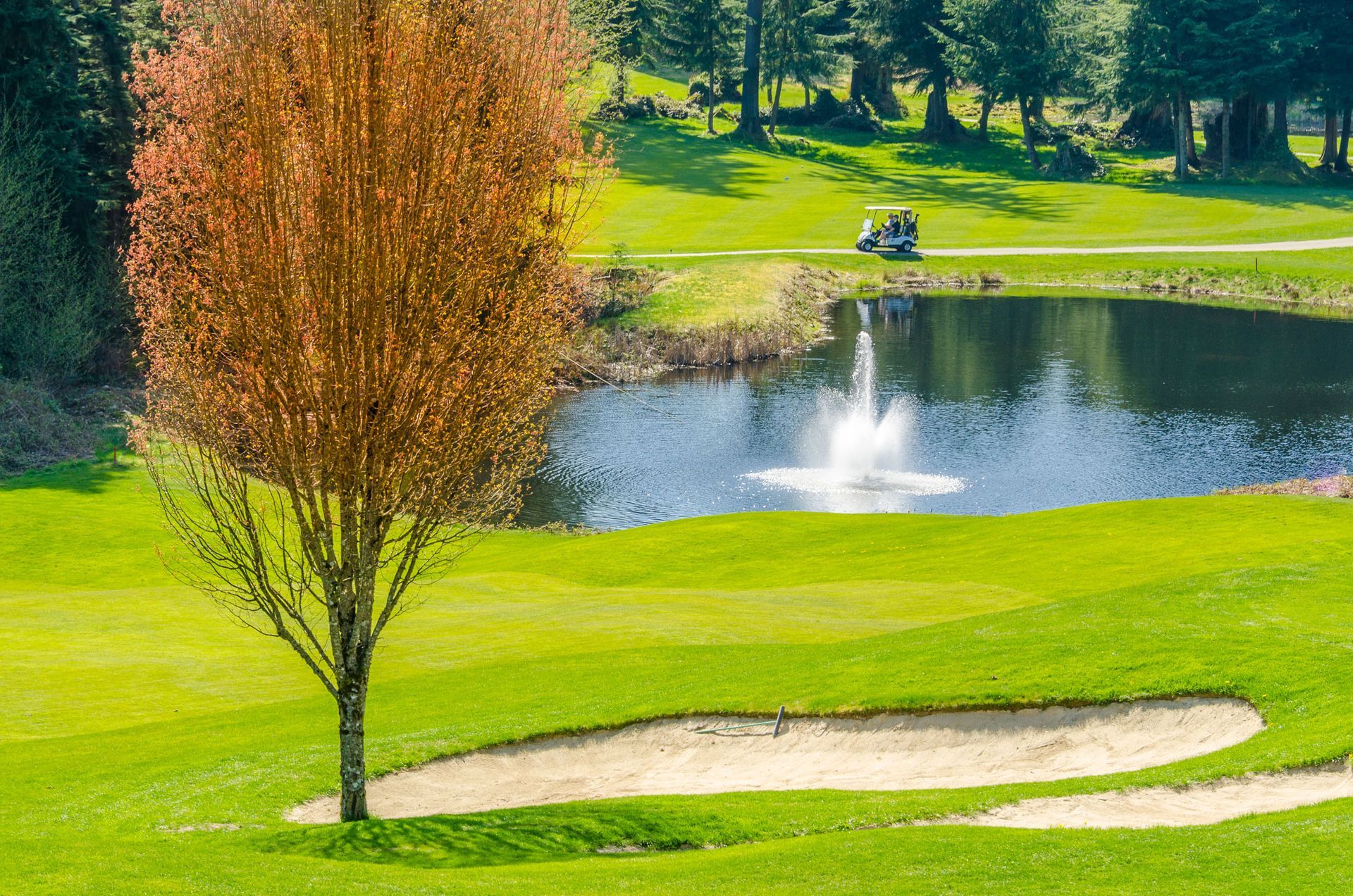
New system installations enhance both the function and appearance of pond and lake environments. Aeration systems improve oxygen levels and circulation, while fountains contribute to water movement and visual enhancement. Special systems may also be installed to support winter conditions and maintain open water areas. Proper installation ensures equipment operates effectively within each site's environmental conditions and supports long-term pond management goals.
Balanced Aquatic Ecosystems
Create Balanced Environments
Establishing balance within a pond ecosystem involves managing vegetation, water conditions, and aquatic life interactions. Professionals use targeted strategies to support stability and prevent dominance of invasive or disruptive species. Balanced environments contribute to healthier, more resilient aquatic systems and support long-term pond management success.
Encourage Beneficial Wildlife
Supporting beneficial aquatic species helps improve natural ecosystem function. Proper habitat conditions encourage species that contribute to water clarity and ecological balance. These natural interactions reduce reliance on intensive interventions and support long-term environmental health. This approach aligns with sustainable pond management principles.
Control Invasive Species
Invasive aquatic plants and organisms can disrupt pond ecosystems if left unmanaged. Professionals identify and control invasive species using physical removal and targeted treatment methods. These efforts help preserve native biodiversity and maintain ecological stability. Effective control measures are a core part of responsible pond management.
Protected Shoreline and Stormwater Systems
Stabilize Shorelines
Shoreline management focuses on reducing erosion and improving the stability of pond and lake edges. Professionals may implement vegetation strategies and structural improvements to protect banks from degradation. These efforts help maintain water quality and preserve surrounding landscapes. Shoreline stabilization is an important aspect of pond management in outdoor environments.
Maintain Stormwater Ponds
All in all, stormwater ponds require consistent management to function effectively within drainage systems. Professionals maintain these systems by managing vegetation growth, sediment accumulation, and overall water flow conditions. Proper care ensures these ponds continue to support stormwater control and environmental balance. This work is a core part of stormwater pond management and overall pond management services.
Sustainable Management Benefits
Improve Long-Term Cost Efficiency
Proactive pond management helps reduce long-term maintenance costs by addressing issues early and maintaining system stability. Preventing algae overgrowth, erosion, and equipment failure supports more efficient long-term operation. This reduces the need for extensive corrective interventions and supports financial efficiency over time.
Reduce Maintenance Burden
Professional services reduce the time and effort required to maintain pond systems. Routine care, monitoring, and system adjustments are handled by trained professionals, allowing property owners to focus on enjoying their water features without ongoing operational demands. This convenience is a key advantage of structured pond management.
Improve System Performance
Consistent management improves water quality, circulation, and overall ecosystem stability. Aeration, algae control, and habitat improvements work together to support healthier aquatic environments. These combined efforts enhance both appearance and functionality through effective pond management practices.
Effective pond and lake care relies on consistent monitoring, system upkeep, and habitat-focused improvements that support stable and healthy aquatic environments over time. Services such as aeration, algae management, shoreline stabilization, and stormwater pond maintenance all contribute to maintaining balanced water conditions and functional ecosystems. To learn more about how these solutions support long-term pond and lake health, explore LakeSource Aquatic Habitat Management.
Share On: